

Why your relationship matters to your baby
Most couples argue from time to time – that’s a normal part of being parents. But the way you argue can make a big difference to your baby’s wellbeing.
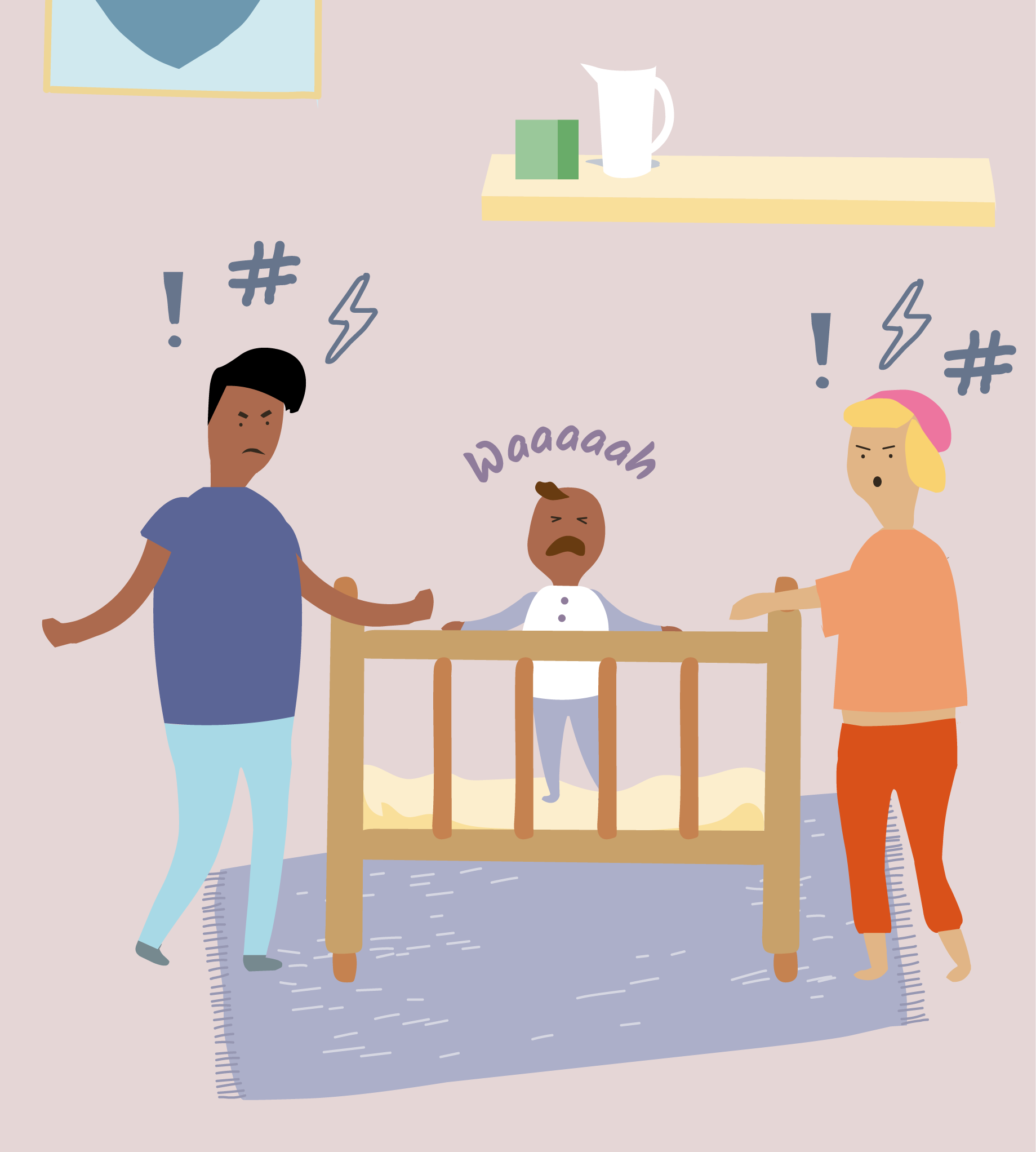
Did you know that your baby might feel upset and scared if you and your partner shout at each other a lot? All children do better when their parents get on with one another.
Facilitator notes
- Check that the couple understands that, while arguing is a normal part of life, the way they argue can make a difference to how their baby feels.
When arguing is bad for your baby
This video shows a baby at different stages of pregnancy. It shows how your growing baby gets to know you during pregnancy, and becomes aware of what's happening outside the womb. It is helpful to learn how to have disagreements with your partner without getting angry or stressed, as this can affect your baby.
You can't stop arguing completely, but there are some ways of arguing that are better for your baby, both during pregnancy and after they are born.
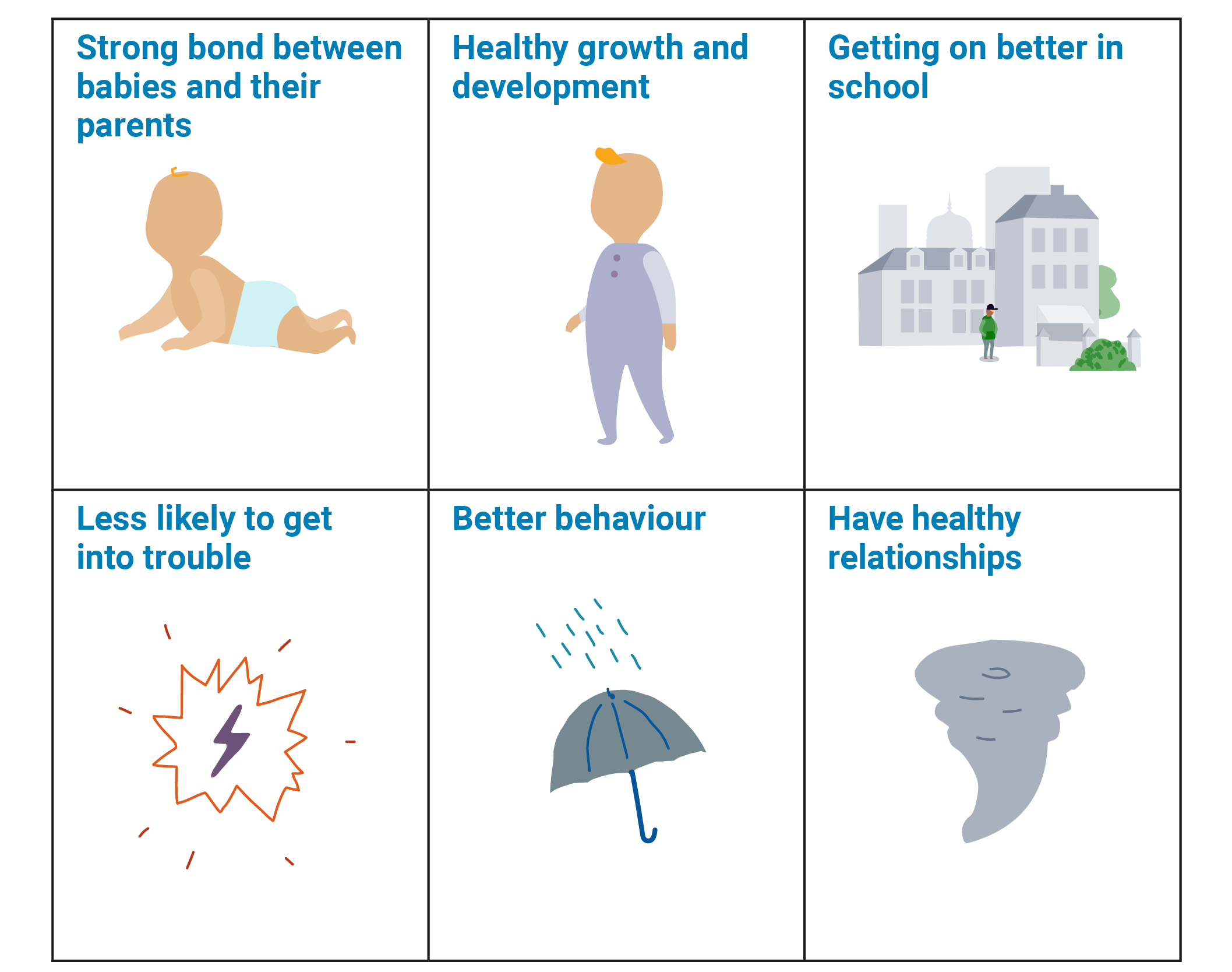
The quality of your relationship with your partner can affect your baby in a number of ways – now and in later life:
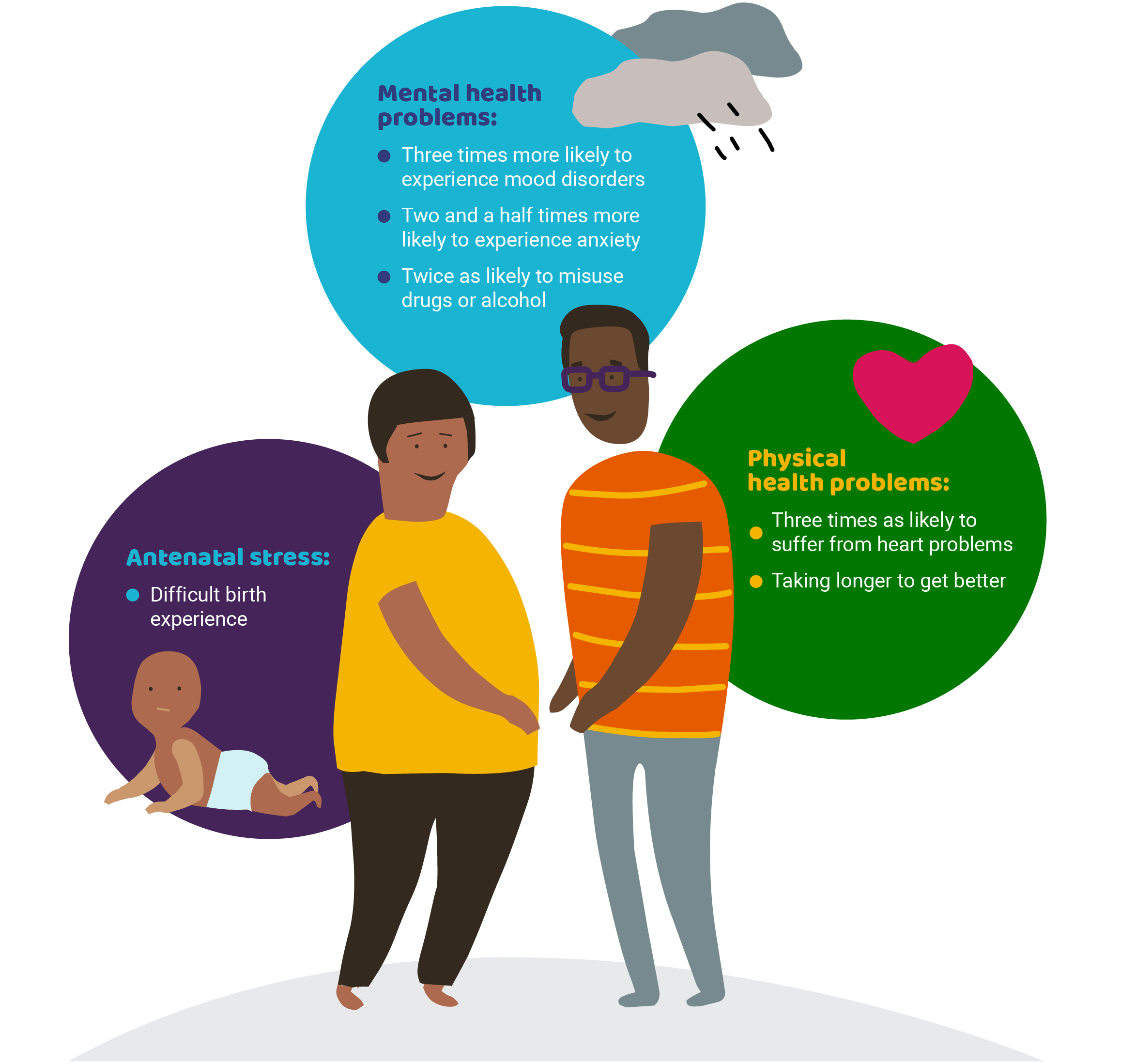
Problems in your relationship can affect your health in several ways:
Facilitator notes
- Talk about how stress and disagreements can affect the growth and development of a baby. Check their understanding of why and how their relationship matters to their baby.
Tackling the rollercoaster of change
What difference do you think having a baby will make to your relationship with your partner?
Having a baby is a big change for you both and it can be stressful at times. When you are tired, stressed and worried, it’s easy to take it out on each other. You might get irritable, and small niggles can quickly grow into big arguments.
You might need some extra support, and it’s good to be able to plan for this as you saw in this video.
Facilitator notes
Ask the couple to talk about how their relationship might change when they have a baby:
- What difference do you think having a baby will make to your relationship with your partner?
- What can you do to stay close and support each other?
- Where might you be able to get help and support?
What you can do to feel close to your partner and support each other
Often, it's the little things that help you feel close. What does your partner do that makes you feel loved and cared for?
- Makes you a cup of tea.
- Kisses you when you come home.
- Says “I love you.”
- Gives you some time to yourself.
- Asks you about your day.
- Cleans the bathroom while you’re out.
- Texts you just to say something nice.
- Lets you choose what to watch on TV.
Facilitator notes
- Ask the couple if the ‘Stages and changes’ clip sparked any thoughts or feelings about their relationship. This is an opportunity for you to get a sense of where they are at and what they think.
Choosing how to bring up your baby
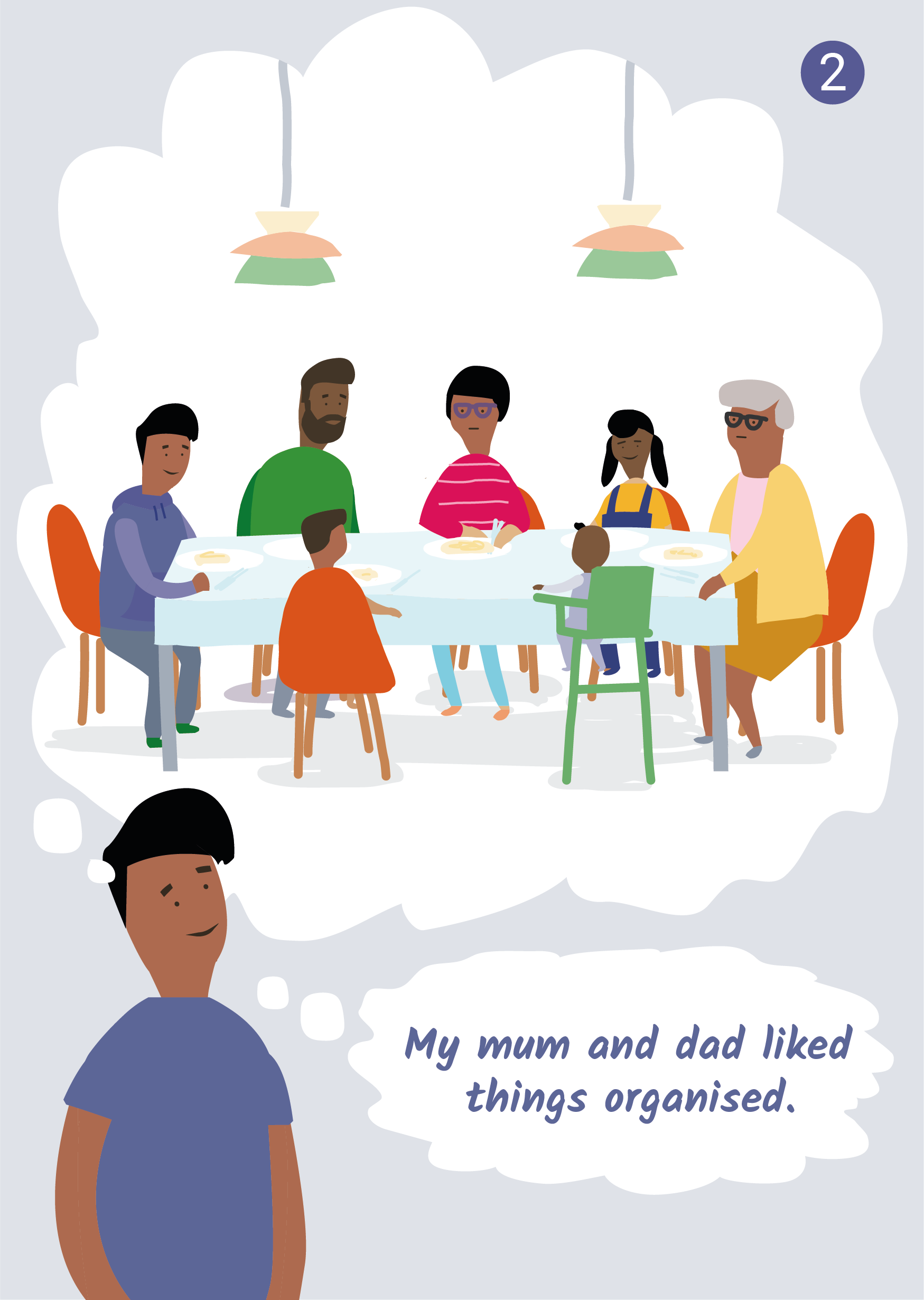
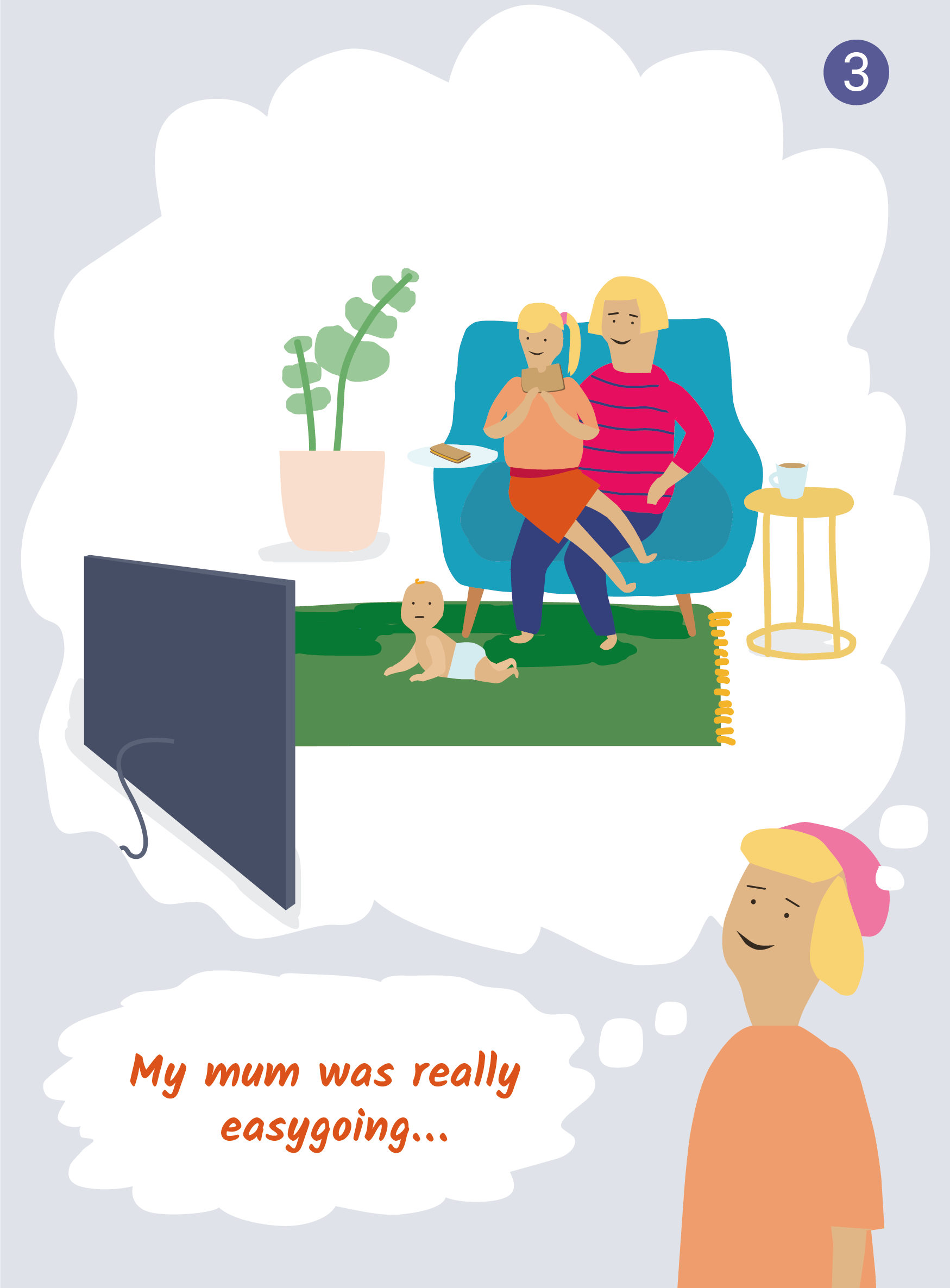
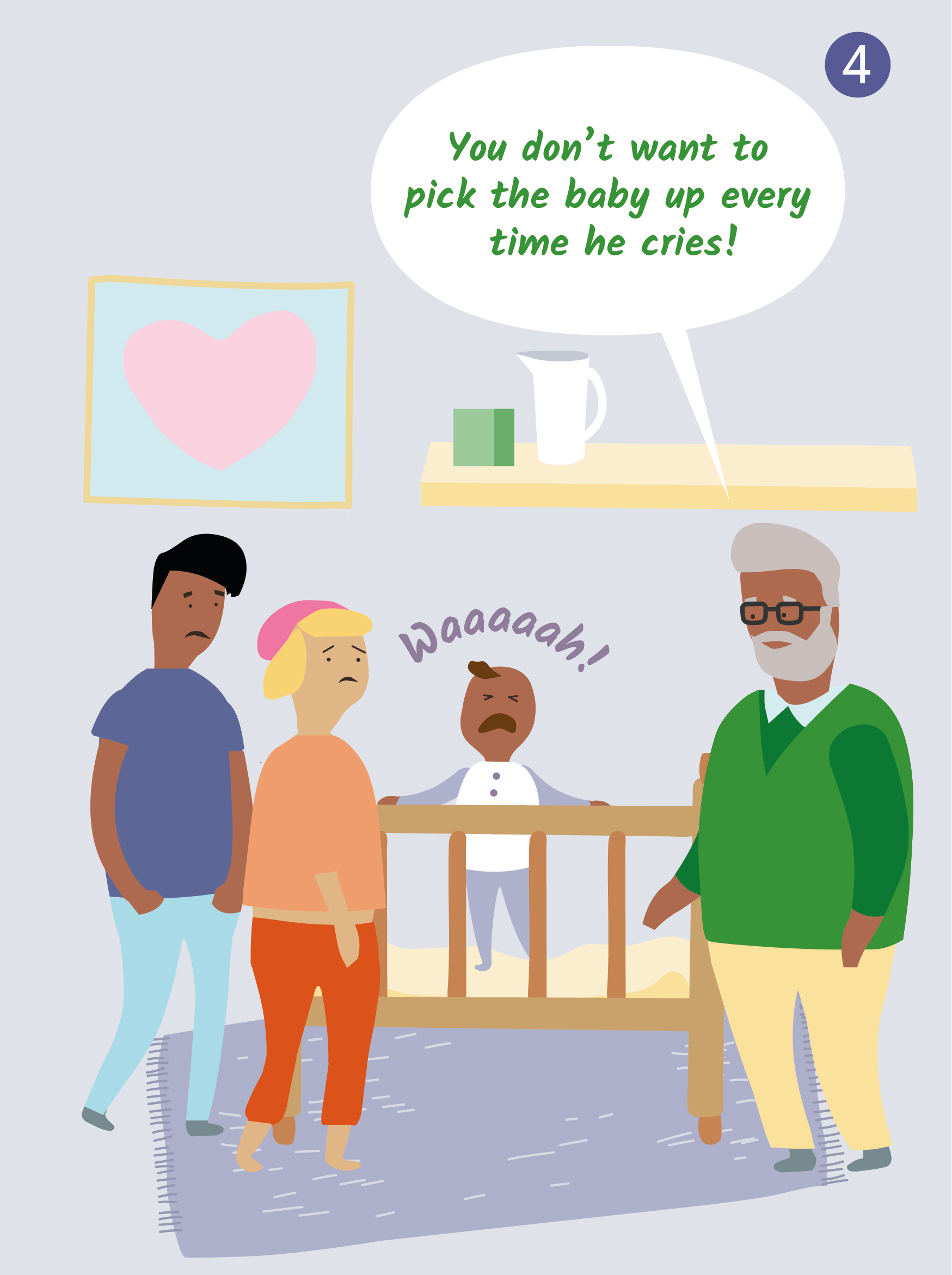
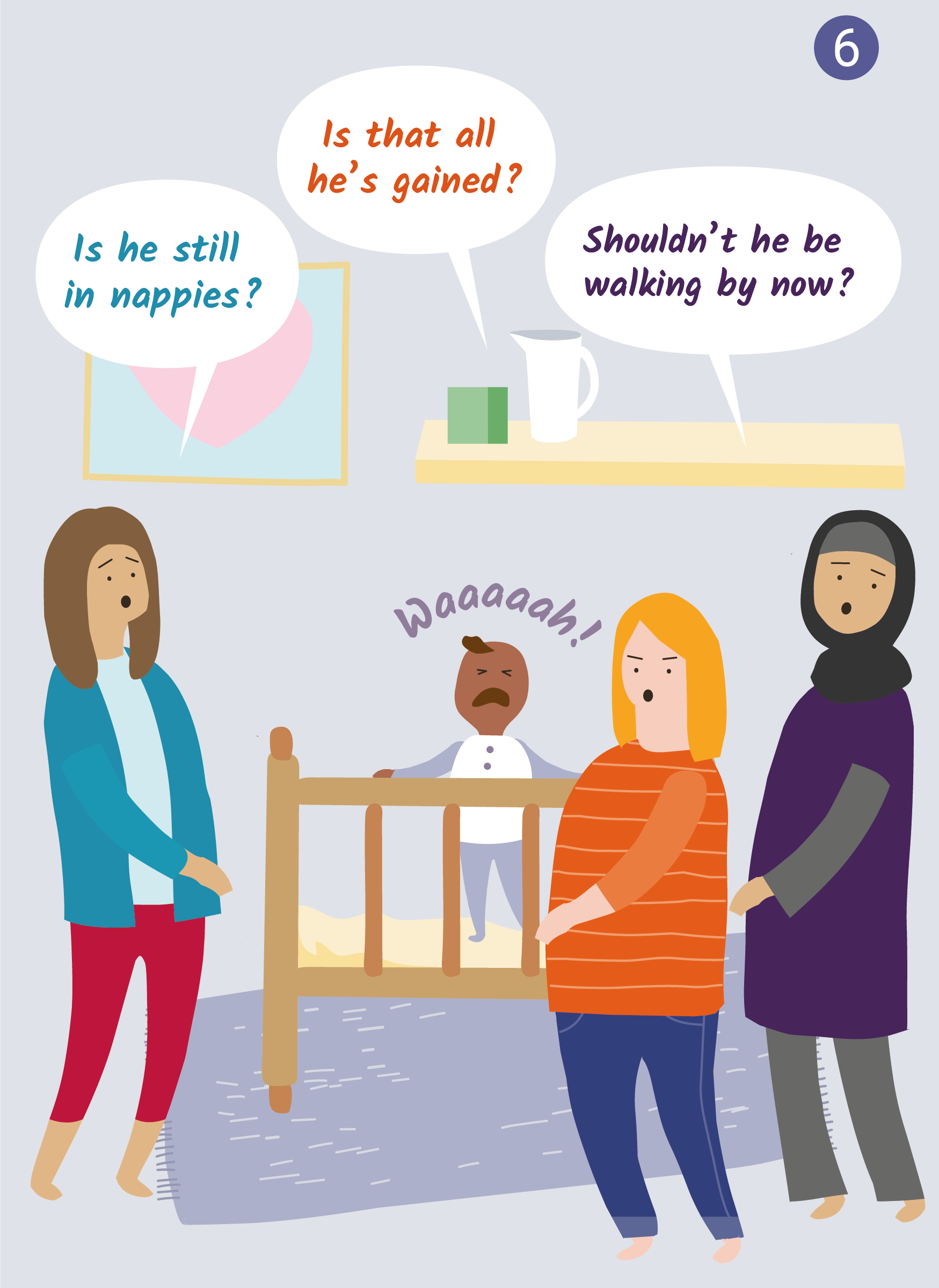
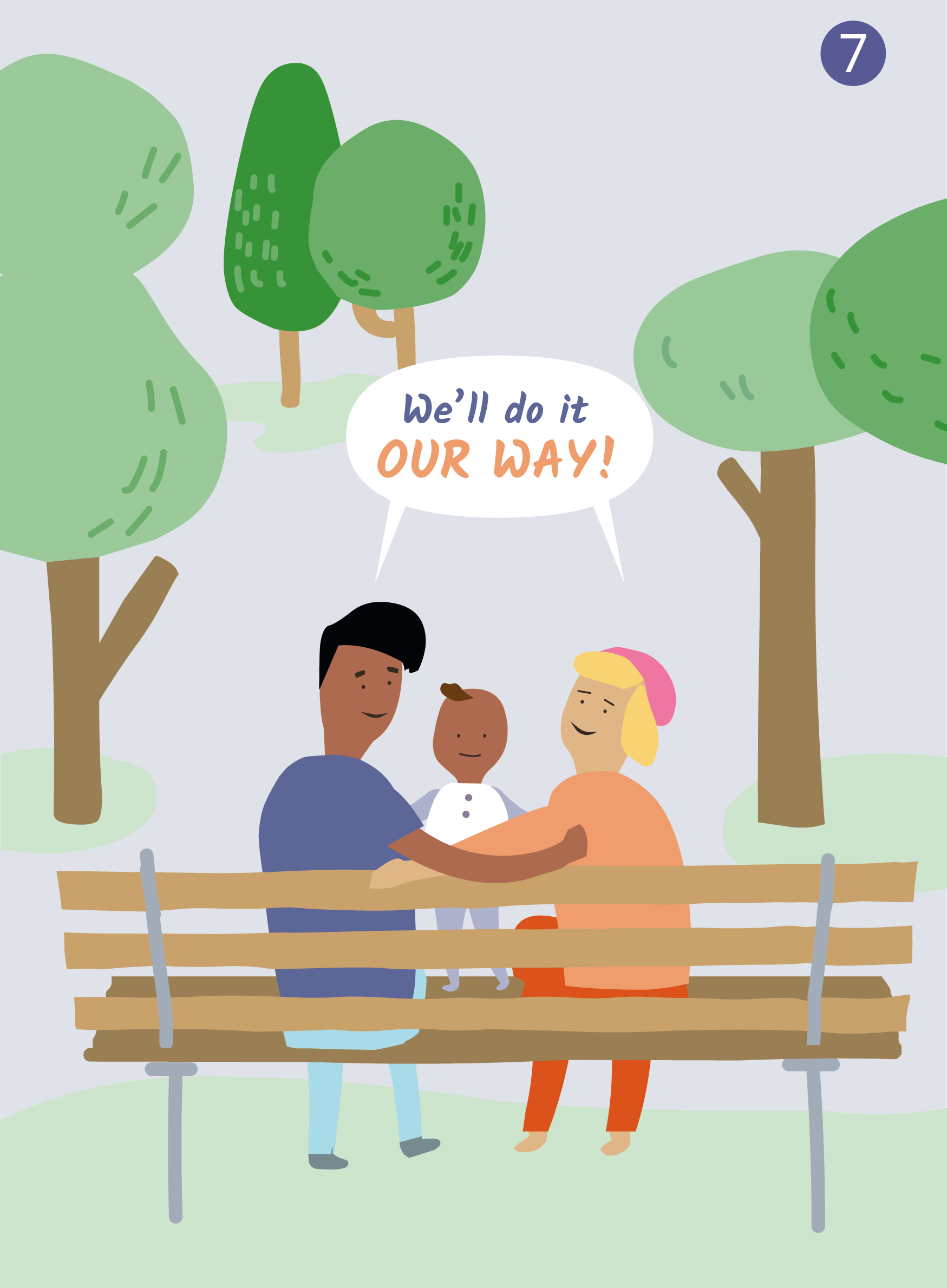
The way you were brought up often influences what you think is important in bringing up your baby. In this video, parents talk about the lessons they learned from their own parents.
Depending on how you were brought up, there might be things you want to make sure you do – or avoid doing – for your baby.
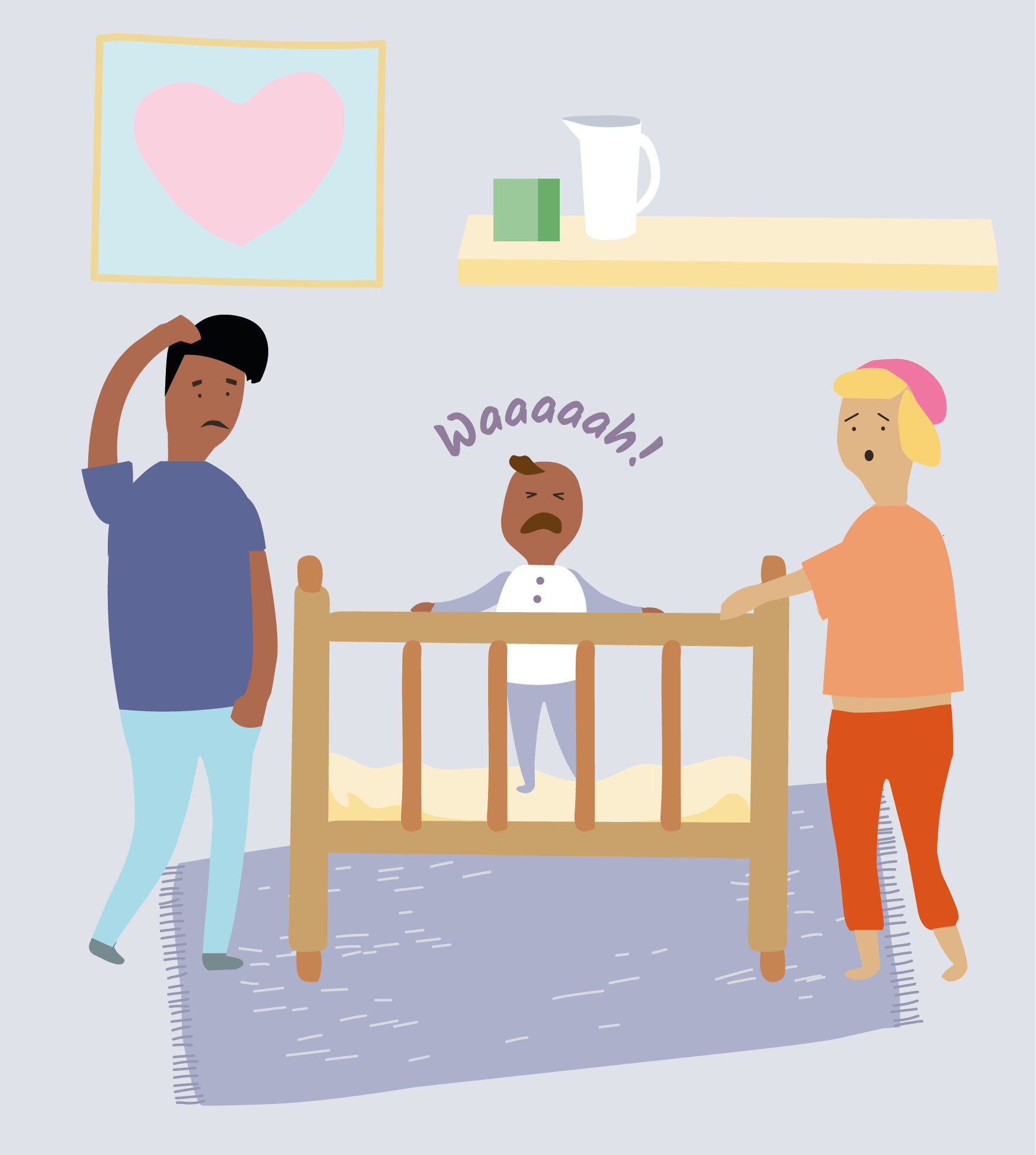
What do you and your partner agree is important in bringing up your baby? Can you think of two things that might be important to you?
This could be a big conversation between you and your partner and may tap into memories from you past. Try to bring it up at a time when you’re not feeling too stressed or tired, when you can talk about it sensitively.

Facilitator notes
- Encourage the couple to explore the way they were brought up to see how this might influence their behaviour and how they parent. Parents can be supported to agree on the things that are important to them in bringing up their baby.
Ask the parents to identify two things that they would like to do together for their baby.
Set a goal
A goal can be a thing you want to happen, or a way you want to be. Goals are a good way to make sure you use the new skills you are learning.
What would you like to do differently? Have a think about that, and then choose a goal. It could be something like:
- Make time for each other.
- When the going gets tough remember why we are together.
- Decide together who is going to do what.
When you've got your goal written down, the most important thing is to PRACTISE. Whatever goal you choose, try it out over the next few weeks. The more you practise, the better you will get.
Facilitator notes
- Encourage the couple to set a goal on adjusting to change if they haven’t already done so.
They can choose their own goal, or you can suggest one based on their experiences so far. Some suggestions:
- Make time for each other.
- When the going gets tough, remember why we are together.
- Decide together who is going to do what.
You can review their progress at the start of the next section.
Emphasise the key messages of this section:
- Outcomes for babies and children are better when their parents get on with one another.
- Unborn babies are sensitive to their environment. They will be affected by parental distress and discord.
- Most couples argue but it is how parents argue that is important.
- Parents in high conflict relationships are less able to provide consistent authoritative parenting.
- Parents who model constructive conflict behaviours provide the blueprint for children for future relationships.
- Relationships keep developing, and one bad patch doesn’t mean the end. With support, it can get back on track.
