
Purpose: To help parents develop skills in communication and managing conflict.
Arguments can be constructive or destructive. This section helps parents think about how their arguments start, and how they get out of hand. Most importantly, it will give them the skills to resolve arguments in more constructive ways.
Below, you will see the content that the couple will access in Section 3. You will also see facilitation notes and suggestions as to how you can followup with the couple after the session.
Remember to check in on progress towards the goal parents set at the end of Section 2.
All parents have disagreements. How you handle these can make a big difference to your relationship. When you and your partner argue, it can be harmful or helpful.
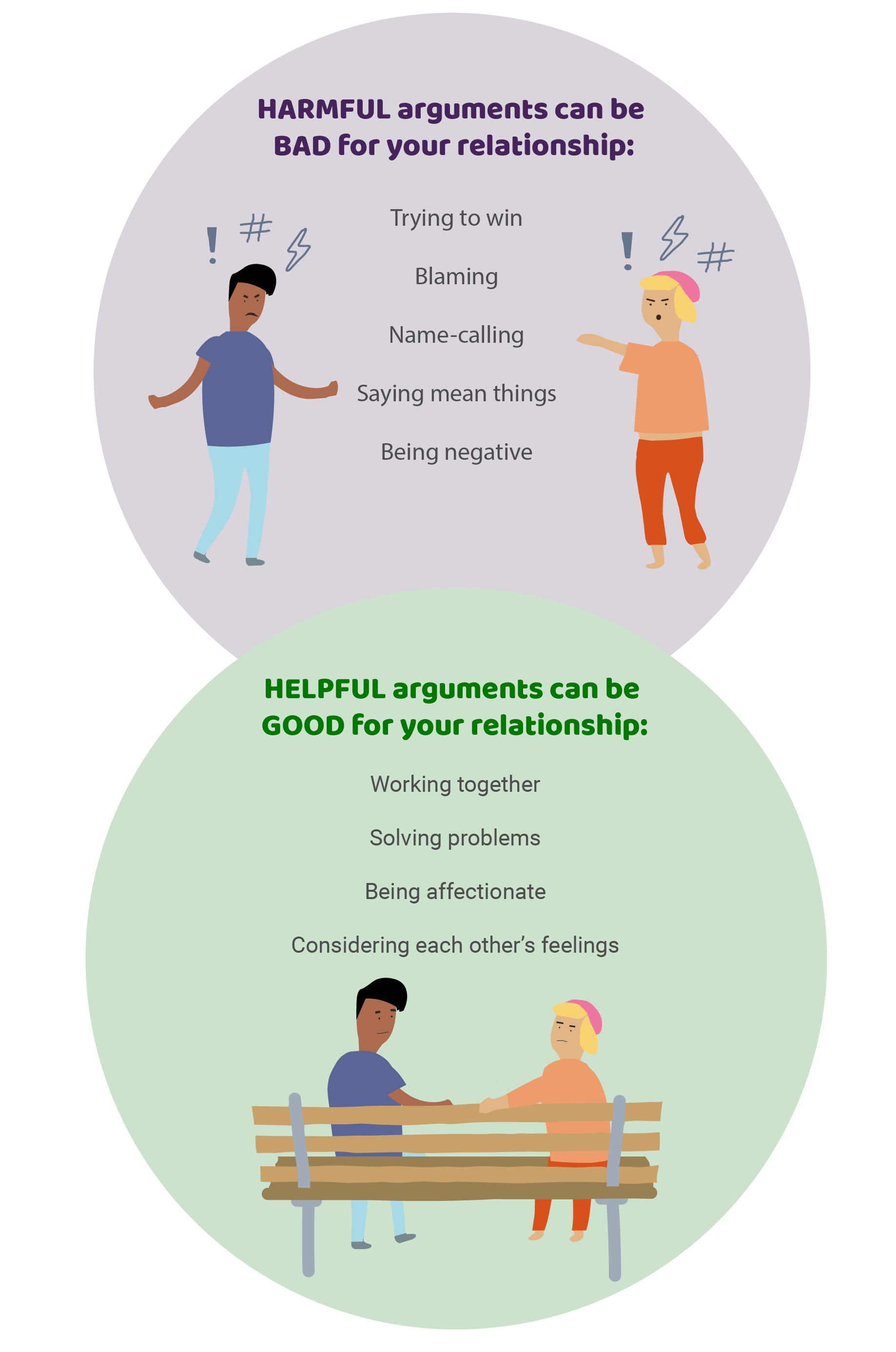
Have a look at these questions as you think about how you and your partner argue.
Consider these questions for discussion and reflection:
● What harmful things do you say or do in an argument?
● How do you think that makes your partner feel?
● What does your partner do in response?
● How does that make you feel?
● How do you think that will make the baby feel?
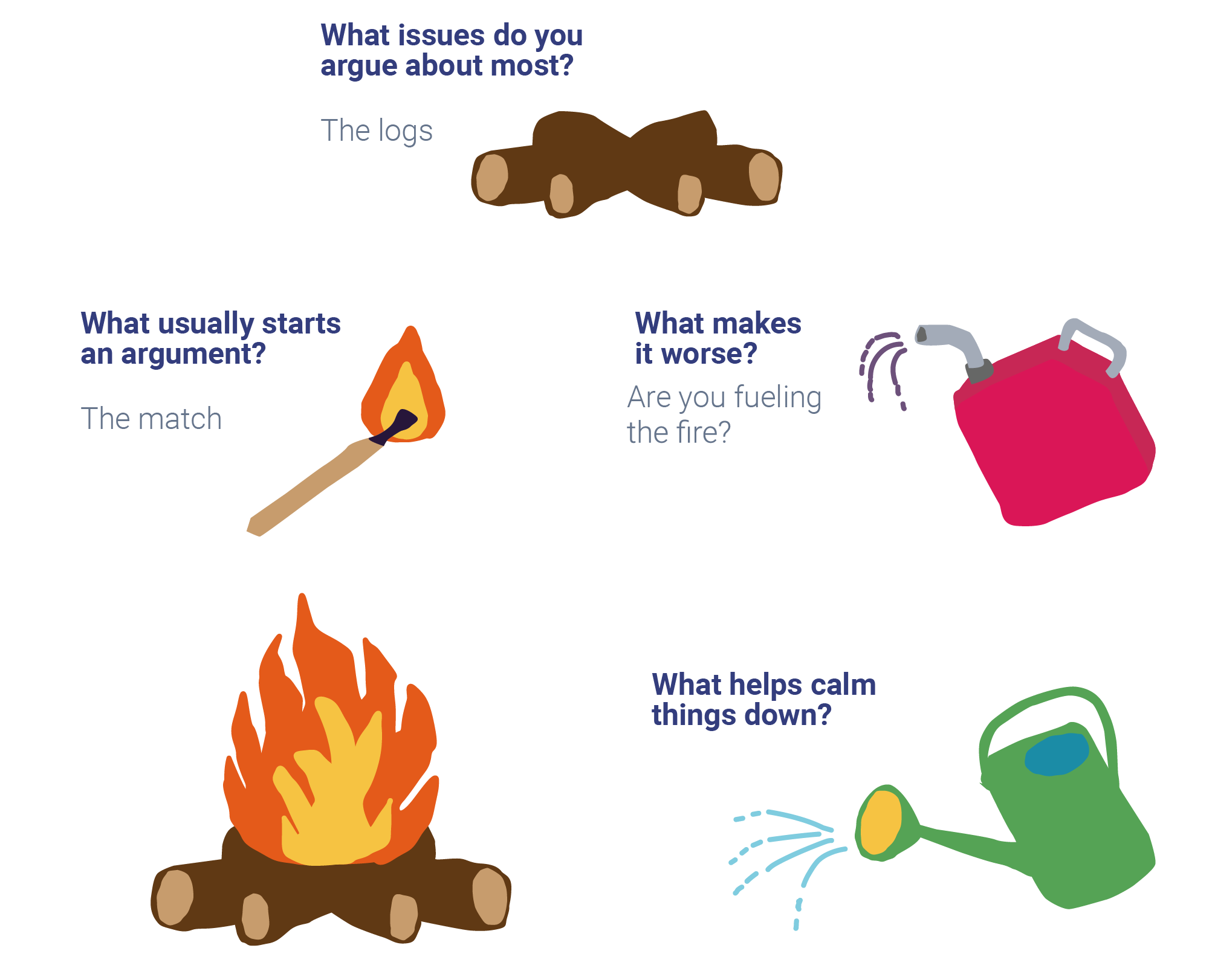
Ask the couple if they have been able to identify what they argue about and why, and how little things can turn into big arguments. This will give you vital information about the couple’s dynamics and where the issues lie.
One of the reasons you find yourself getting into arguments is because of misunderstandings between you and your partner. When we’re tired and stressed, it’s easy to think the worst. Sometimes, an innocent comment can be taken the wrong way.
Everyone argues, but not everyone argues well. Getting better at arguing together can help you solve your problems before they get worse.
The good news is that you can learn skills to help you get through arguments in a way that supports your relationship.
What would it be like if your partner could always understand what you are thinking and feeling? What if you could stop and think about your partner’s thoughts and feelings before you react to the things they say and do?
You can’t read each other’s minds, but you can gently ask questions to find out more about what’s going on. It can be helpful to name your feelings and talk about what you might need from each other.
This can make it easier to be supportive and take steps towards resolving things. You might not stop arguing altogether but with practice you can learn to argue better.
There are three simple steps to arguing better:
The first step is to STOP. This means staying calm and listening. You can’t always control the way you feel, especially when an argument starts. But you can have some control over how you respond.
When you feel a conversation heating up, you can try some of these tips to help yourself say calm:
Do you find yourselves arguing about the same things over and over again?
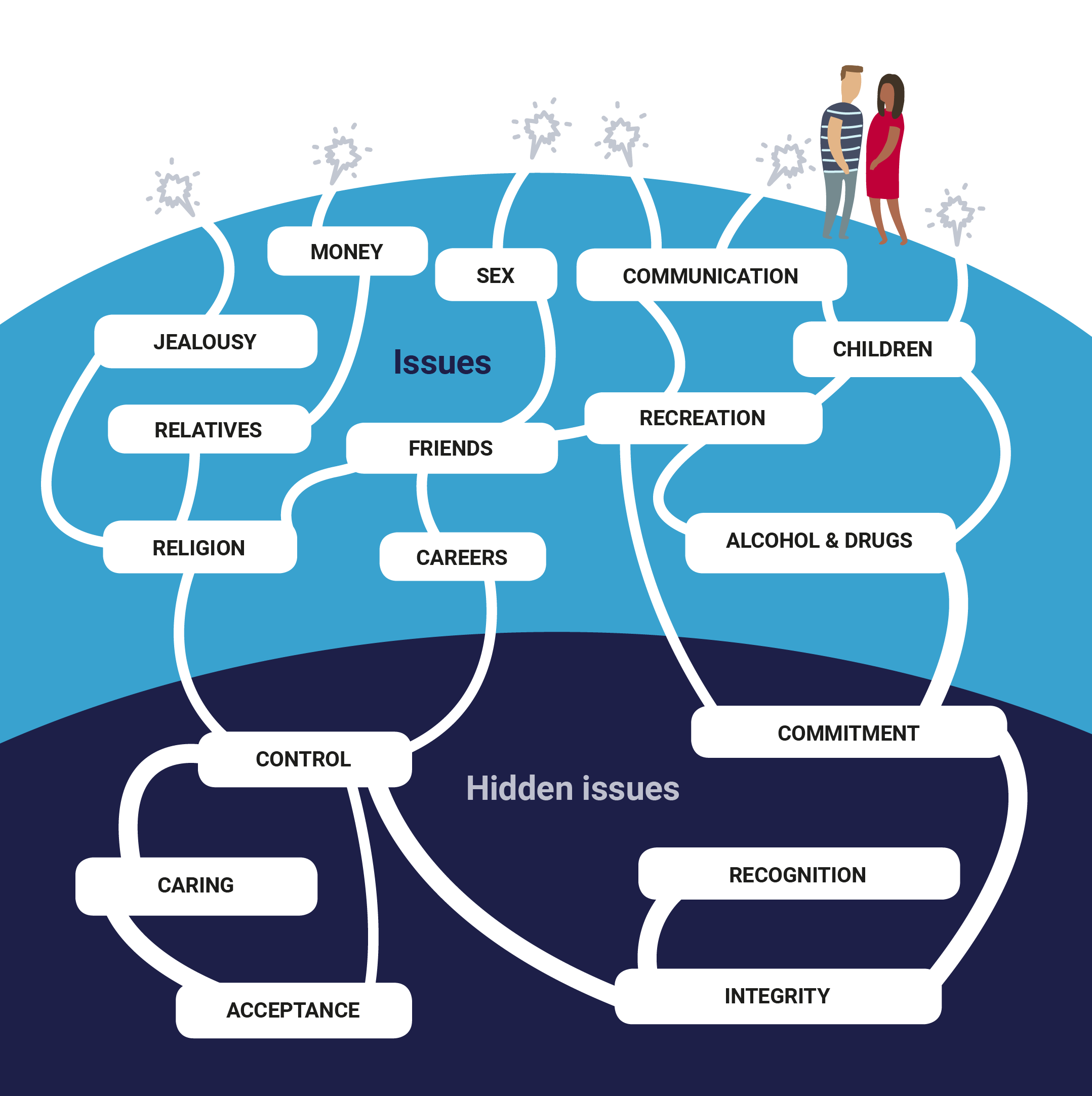
Sometimes an argument isn’t about what it first seems. An argument about money, or who does what, or who looks after the children, is rarely just about that. Understanding the root of the argument can help you talk about the things that are important to you.
Have a look at this diagram which show the things people argue about the most.
Remind parents that misreading or misinterpreting leads to negative thoughts, which lead to feelings, which lead to behaviours and responses that can escalate the argument.
Emphasise two important ways to overcome relationship-damaging interpretations and assumptions:
Ask the couple if they find themselves arguing about the same things over and over again. Have they been able to identify a deeper issue?
Discuss the ‘Hidden issues’ image. An argument about who does the dishes is rarely just about that. Helping couples understand the hidden issues at the root of their arguments is important in identifying the underlying feelings and emotions. These issues are often about respect, commitment, or feeling cared for.
Facilitate a discussion using the three simple steps to arguing better:
1. STOP
2. TALK IT OUT
3. WORK IT OUT
It’s not always possible to control our feelings or emotions in an argument. But we can control how we respond.
Talk to the couple about the strategies they could use to help them stay calm.
The second step in resolving conflict is to help parents talk through what’s going on for them.
Discuss the impact of harsh versus soft ‘start ups’. Ask the parents if they have identified any harsh start ups they might use, and how they could replace these with soft start ups.
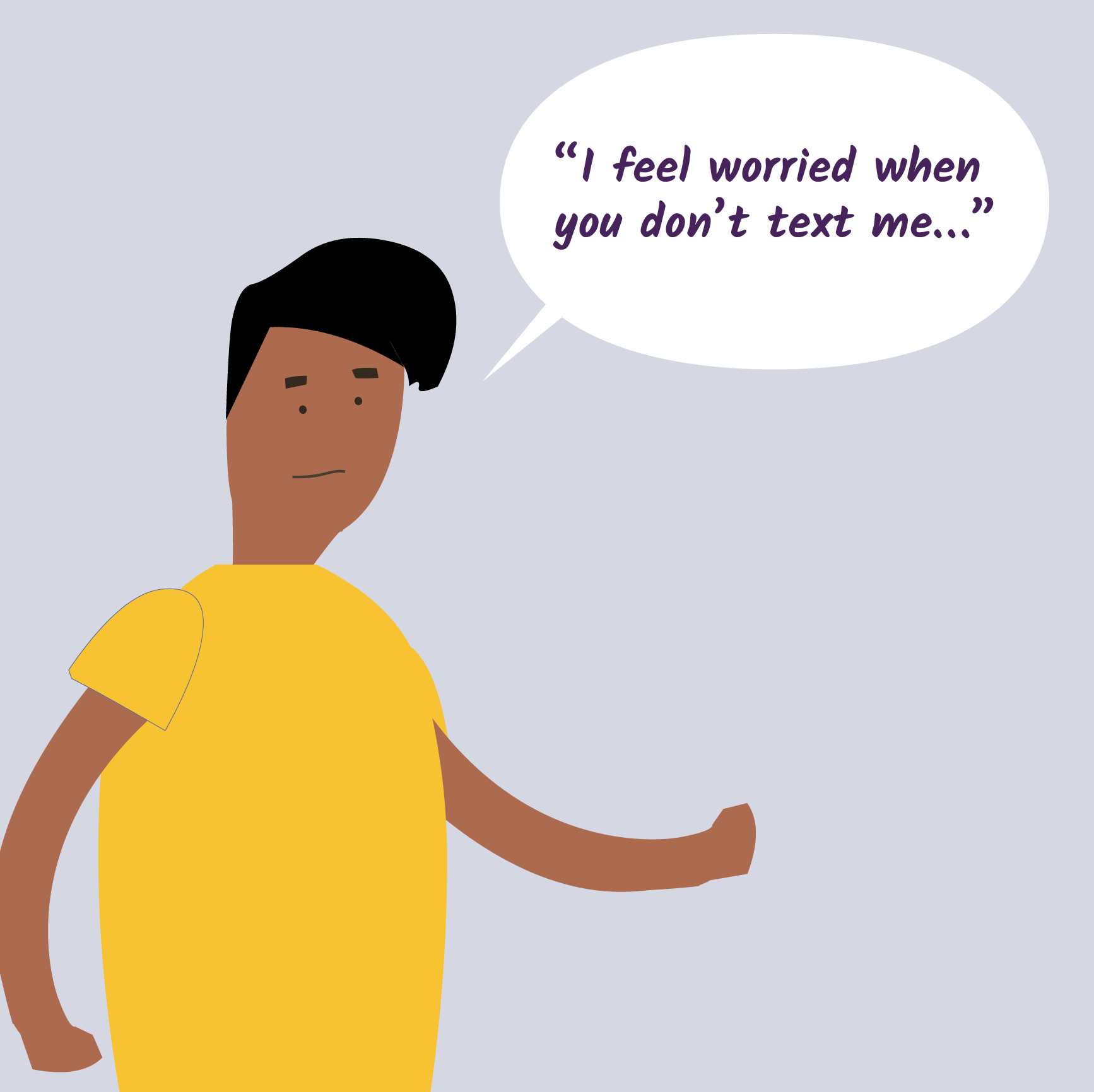
Encourage parents to try using ‘I’ statements, focusing on their feelings rather than using ‘you’ statements that can come across as an accusation or blame. Using an ‘I’ statement helps a person become assertive without making any accusations.
● ‘I feel …’
● ‘When you …’
● ‘Because …’
● ‘What I need is …’
It may feel strange for parents to approach their conversations in this way but, with practice, it can really help.
Practising good listening can help you to find new ways of supporting each other and resolving disagreements. The next part is all about how to TALK IT OUT.
When you’re ready to talk things through, there are two things you can do to help move the conversation forward:
You can help avoid arguments by using a soft ‘start up’.
A harsh ‘start up’ is when you go straight in with a criticism or a mean comment. It can feel like an attack and may be met with a defensive response.
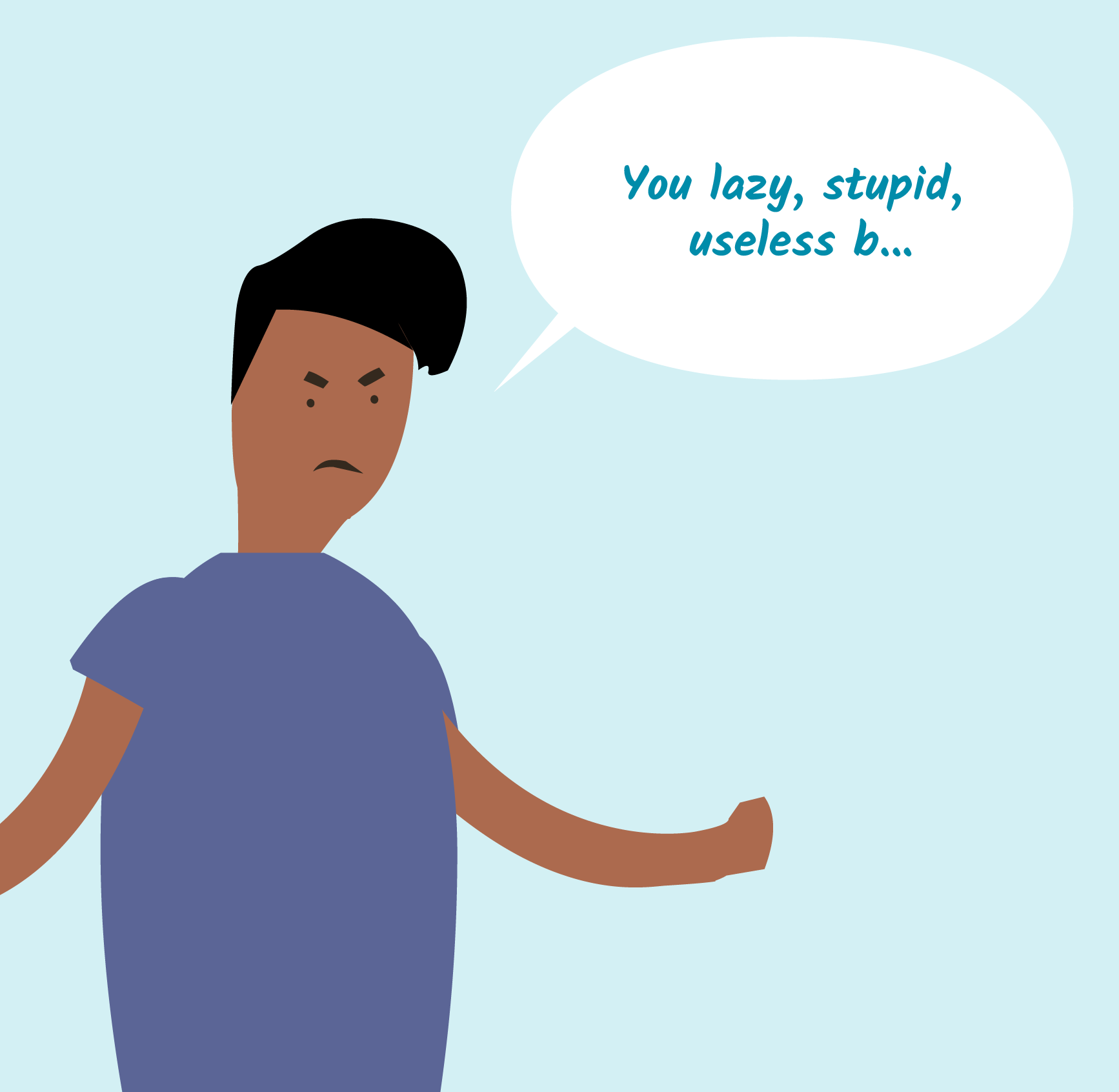
A soft ‘start up’ is a gentler way of bringing something up, that focuses on the issue at hand without blaming the other person. It might start with “I feel…”
Ask the couple how they got on with the listening activity.
If they haven’t done it, you can encourage them to revisit this activity in ‘Me, You, and Baby Too‘. If they have, now is the time to use the skill of listening to help them talk about the issue that is troubling them or causing the argument. You will need to agree to some ground rules before you start. If things start to get out of control, you can remind them of what they agreed to do to avoid destructive conflict behaviours.
You can then summarise, pointing out the things that they did well and how they might adjust their communication to be more constructive.
The third step in resolving conflict is to help parents find solutions they can both agree on. The film clips on the next two pages show some behaviours couples can use to work it out.
You’ve just seen a situation going badly. In this video, Liam criticised Naomi about spending money. Naomi reacted by defending her position. This led to a harmful argument.
Liam and Naomi were:
In the next video, you will see the same situation going better.
In this video did you see what happens what happens when Liam and Naomi STOP and TALK IT OUT.
Next time you find yourself getting drawn into an argument with your partner, remember – the first step is to STOP.
STOP: Stay calm and listen.
TALK IT OUT: Speak for yourself and try to see things from your partner’s point of view.
WORK IT OUT: Negotiate and problem-solve.
Once you are able to stay calm and talk about it, you will be able to look for solutions you can both agree on.
This might be a good time to check in with your goals. Did you manage to set any? How are you getting on? Whether or not you set a goal, you might like to set a goal now.
You might set a goal to do with staying calm when you feel yourself getting upset in a disagreement with your partner.
John Gottman, a famous relationship researcher, found that couples have better relationships when their positive moments outweigh their negative moments.
For every negative moment between you and your partner, you need five positive moments to balance it out.
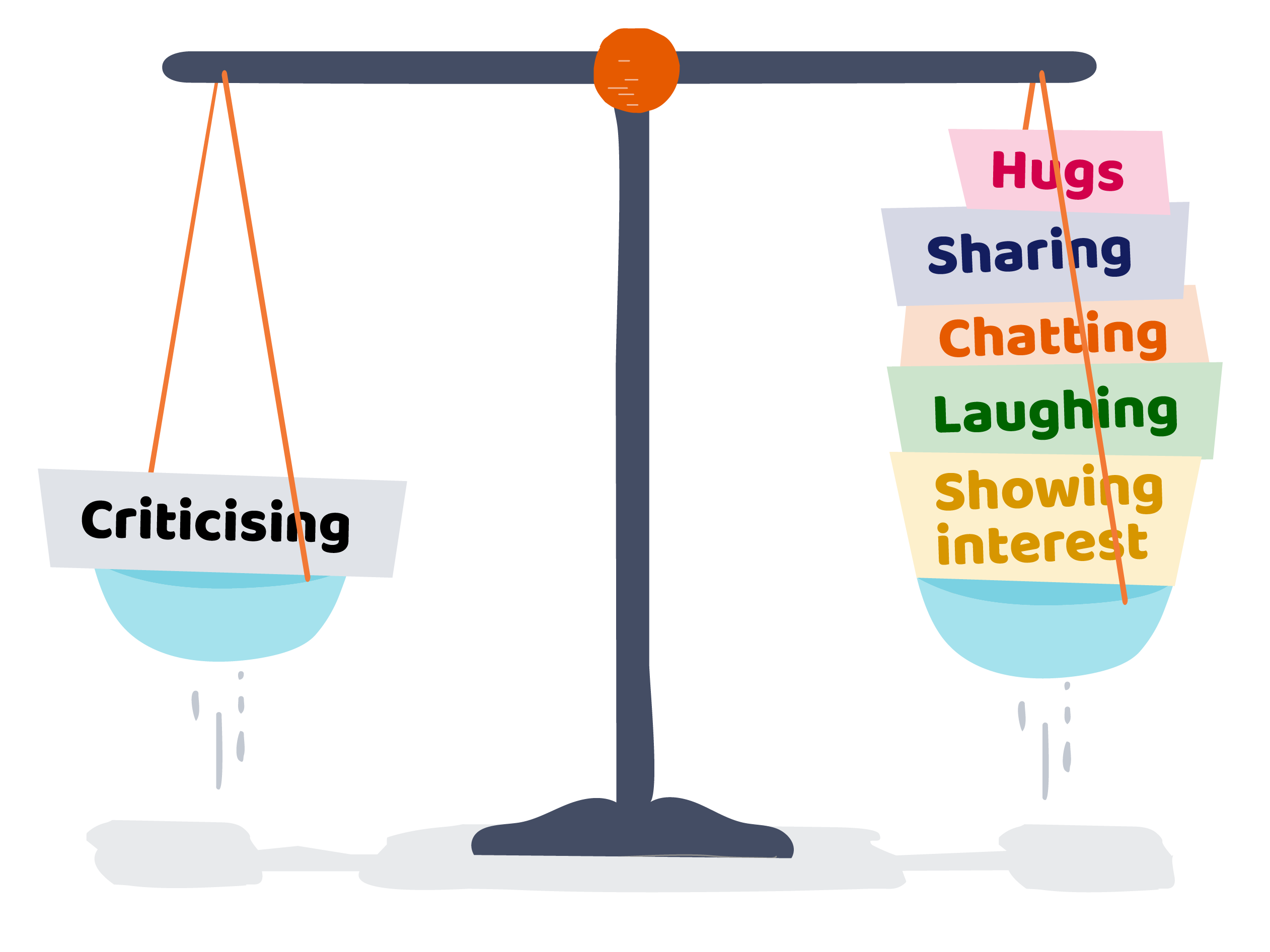
At the beginning of this section, we asked you to think about this Sliding Scale and identify where you and your partner might be.

Now you can begin to think about where you would like to be, and how you might get there. Here are some questions to get you started:
Now it’s time to set some goals. A goal can be a thing you want to happen, or a way you want to be. Goals are a good way to make sure you use the new skills you are learning.
You can either choose your own goal or pick one from our list:
The most important thing is to PRACTISE. Whatever goals you choose, try them out over the next few weeks. The more you practise, the better you will get.
Check in with the parents to see how they are progressing with their goals. You may want to make another appointment to check how they are progressing and the changes they are making.
Emphasise the key messages of this section:
You're almost there. Lastly, we'd like to how things are with your relationship now you've gone through all of the material. This final set of questions will look similar to the ones we asked at the start – that's on purpose. So don't worry if you feel like you've already answered them.
Please encourage parents to complete the questions at the end of Section 3. This is to help us with ongoing evaluation on the effectiveness of the programme.
OnePlusOne are continuously evaluating this digital resource. We are keen to understand how well parents have understood the content of ‘Me, You and Baby Too’ and whether it has a positive effect on their behaviour. For that reason, there are questions, using standardised measures, woven into the resource to gauge parents’ responses and outcomes. We would really appreciate it if you could encourage parents to complete all of the questions by letting them know their feedback and participation is important in making the resource the best it can be.
We are also interested in your feedback on the ‘Me, You and Baby Too’ resource and practitioner guide. If you're happy to be contacted by our researcher, please leave your email address below.