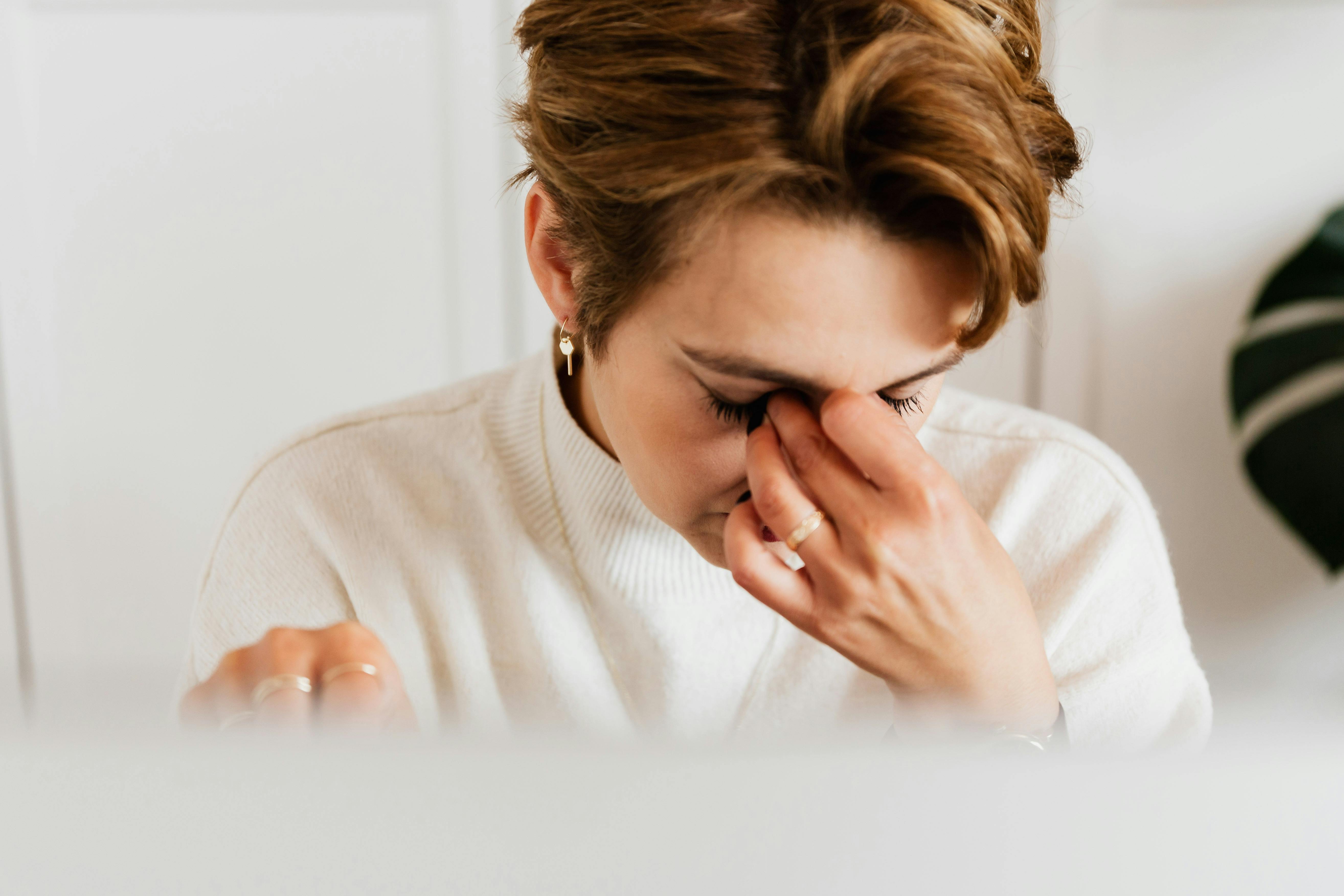
Knowing how to cope with stress by relaxing is one of the earliest skills you develop – studies show this starts to happen as early as 3-4 months old (Crider, 2023). However, the stress of modern life can mean you lose touch with how to self-soothe in helpful ways (World Health Organisation, 2019), which can negatively affect your health and your relationships (Barlow, 2018).
To help you get back in touch with your 'relaxation' instinct, keep reading!
The relaxation system
There are many ways to talk about emotions and behaviours, including relaxation. One of the easiest models to understand is the ‘three systems' model. This suggests you have three main emotional systems that are equally balanced – soothe, threat, and drive (NICABM, 2024).
The threat system alerts you to danger, activating your ‘fight or flight’ response. The drive system motivates you to look for food, water, and safety. The soothe system helps you to relax and feel safe. These systems work together to help you, and one usually becomes more prominent depending the situation you're in.
Sometimes, these systems can become unbalanced, which can then lead to problems in your relationships and health. For example, if your threat system is always dominant, you can become stressed, agitated, or unwell (NICABM, 2024).
Stress relief techniques can benefit your relationships
Studies have shown that people who are relaxed can be more enjoyable to be around and more encouraging to others. The opposite is true for people who exhibit stress. If someone is stressed, they can often create more stress for others as well. It's not their fault – it's just how humans tend to respond in relationship with others (Ohwovoriole, 2023).
This is why practicing stress relief techniques can be very beneficial (Schoen Clinic Group, 2024). Relieving stress can ultimately give you more space for self-reflection and leave you with more energy for others.
Relaxation techniques to try
There are many relaxation techniques you can practice to help you cope better with stress. As you practise, these techniques can become more easily accessible and habitual in your daily life. Here are a couple of tips to get started.
Practice being playful. When was the last time you did something fun without any purpose or goal? Playfulness is when you do something you genuinely want to engage in, that brings you joy (Brown, 2012). Play can reduce stress, giving you space to engage in low-pressure, low-risk activity specific to you and your interests. Dancing in the kitchen? Playing a board game? Kicking around a football? The important thing is to choose something where you don’t feel you're striving to achieve (Brown, 2012). Have a look at this list of over 250 pleasant activities for inspiration (Linehan, 2014).
Release the pressure. Allow yourself to inject little bits of playfulness into your life, and notice what it does to your mood. You can make almost any activity playful by bringing a sense of light-heartedness and humour to it (Harris, 2021). Playing a game like ‘I Spy’ with your partner on a long drive, or telling your friend a funny story can help ease a stressed out mood.
Practice body awareness. Body awareness exercises are activities where you work to connect the mind and body. These are sometimes called somatic exercises (Meehan, 2021). This can reduce stress and increase feelings of wellbeing by helping you feel more connected to your own thoughts and feelings. Any movement-based activity can work. Yoga, dance, Pilates, or Tai Chi… Whatever helps you be more mindful of your body’s movement. Think about what kind of movement might work for you, find an activity that appeals, and give it a go (Meehan, 2021).
What approach should I take to practicing relaxation?
Relaxation techniques are like any other skill. They take practice, especially if you're unused to something. Remember to be patient with yourself and try different things. Most importantly, don’t be discouraged if something doesn’t work. Everyone finds different things relaxing. What works for you may be different to what you expect. Once you find what you enjoy, share it with your partner or a friend. Relaxation can be enjoyed alone or socially, and spending time with others can be good for your mental health (Brown, 2012).
Written by Helen Molloy
Edited by Alex Hamilton
References
Barlow, A., Ewing, J., Janssens, A. and Blake, S. (2018). Shackleton Relationships Project. The University of Exeter. Available from :
familyregulationandsociety/shackletonproject/Shackleton_ReportFinal.pdf
Brown, B. (2012). The Power of Vulnerability: Teachings on Authenticity, Connection, and Courage. Sounds True, Incorporated.
Crider, C. (2023). 8 Self-Soothing Techniques to Help Your Baby. healthline https://www.healthline.com/health/baby/self-soothing-baby#know-when-to-start
Harris, G. (2021). Everyday Playfulness: a new approach to children’s play and adult responses to it. International Journal of Play, 11, (3). https://doi-org.sheffield.idm.oclc.org/10.1080/21594937.2021.1925858
Linehan, M. (2014). DBT Skills Training Manual (2nd). Guilford Press.
Meehan, E. and Carter, B. (2021). Moving With Pain: What Principles From Somatic Practices Can Offer to People Living With Chronic Pain. Frontiers in Psychology. 620381, (11). 10.3389/fpsyg.2020.620381.
National Institute for the Clinical Application of Behavioral Medicine: NICABM. (2024). Applying the 3 Circles Model of Emotion to Help Clients Heal Shame. Available from: https://www.nicabm.com/3circles/
Ohwovoriole, T. (2023). How Herd Mentality Explains Our Behavior. VeryWellMind. https://www.verywellmind.com/how-herd-mentality-explains-our-behavior-7487018#:~:text=Herd%20mentality%2C%20also%20known%20as,their%20own%20judgment%20or%20individuality.
Schoen Clinic Group. (2024). The impact of stress in relationships. https://schoen-clinic.co.uk/post/the-impact-of-stress-in-relationships#:~:text=Over%20time%2C%20stress%20can%20take,connections%2C%20or%20rebuilding%20rocky%20ones.
World Health Organisation. (2019, 8, 5). Burn-out an "occupational phenomenon": International Classification of Diseases. https://www.who.int/news/item/28-05-2019-burn-out-an-occupational-phenomenon-international-classification-of-diseases